
Brock Purdy Lands $265M Extension with 49ers — But California’s Sky-High Taxes Take a Big Bite Out of NFL Star’s Payday
San Francisco 49ers quarterback Brock Purdy has officially transitioned from “Mr. Irrelevant” to one of the highest-paid players in the NFL. The young star recently inked a five-year contract extension worth a jaw-dropping $265 million, catapulting him into the financial elite of professional football. But as eye-catching as the contract figure may be, it has also sparked a debate far beyond the football field—how much of that fortune will actually land in Purdy’s pocket?
While fans celebrated Purdy’s massive payday, many were left stunned by the staggering impact of taxes, particularly those imposed by the state of California. Despite the headline number, a significant chunk of the deal will be swallowed up by federal and state levies, raising eyebrows and reigniting conversations about the financial implications of playing professional sports in high-tax states.
Purdy’s Contract: Big Numbers, Bigger Tax Hit
Purdy’s extension includes $181 million in guaranteed money and averages about $53 million annually, placing him in the upper echelon of NFL earners. However, according to a detailed analysis shared by ML Football on social media, the quarterback’s actual earnings tell a very different story.
Every year, Purdy is projected to pay approximately $19.567 million in federal income taxes, $7.529 million in California state income taxes, $1.254 million in federal payroll taxes, and around $1,686 toward California State Disability Insurance. Altogether, that’s a tax bill of roughly $28.352 million per year—meaning Purdy takes home just around $24.647 million annually, less than half of his gross salary.
Social Media Reacts: A “Josh Allen Contract” Gone
The numbers have fueled a wave of social media commentary, with fans and financial experts weighing in on the significant tax gap between states. One user joked that Purdy effectively “lost a whole Josh Allen contract to taxes,” referencing the Buffalo Bills quarterback’s own nine-figure deal.
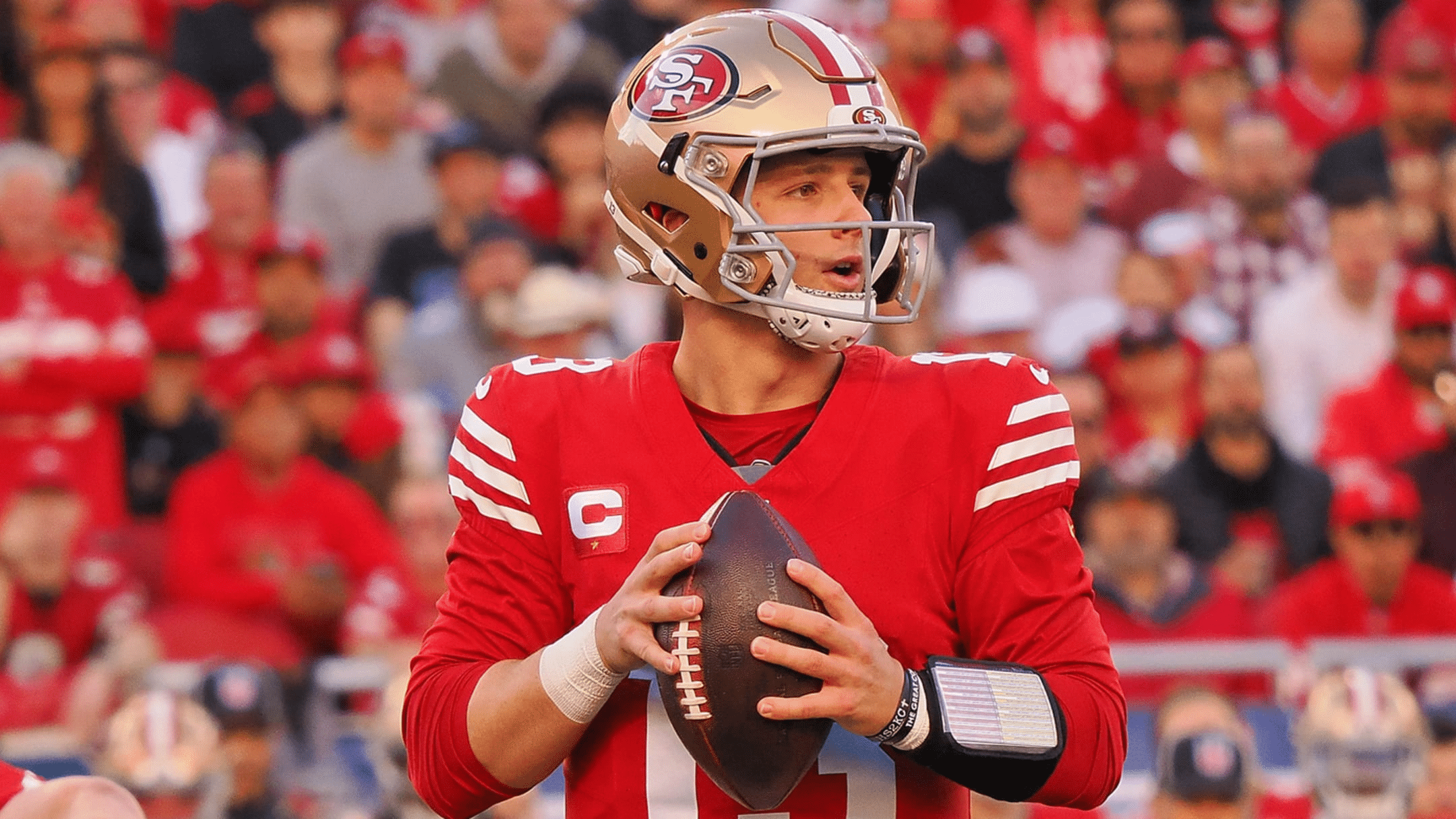 Others used the occasion to criticize what they see as an uneven playing field. States like Texas, Florida, and Tennessee, which have no state income tax, offer a significant financial edge to players and teams based there. In contrast, players in California, New York, and Massachusetts face steep deductions that dramatically reduce their take-home pay.
Financial Strategy Becomes a Factor
This disparity isn’t just a talking point among fans—it’s becoming an increasing concern for players, agents, and front offices. As salaries continue to soar, so too does the importance of understanding how taxes affect earnings. Some athletes now even consider state tax laws as a major factor in deciding where to play.
For Purdy, who has already proven himself a franchise quarterback since his remarkable rise in 2022, the focus remains on winning. But his new contract has opened up a larger conversation: In the high-stakes world of pro football, where every dollar counts, the geography of taxation could be just as influential as performance on the field.
Leave a Reply