
One year into the Kalen DeBoer era, Alabama’s recruiting game is shifting—what’s changed, what’s working, and how the Crimson Tide is reloading for dominance
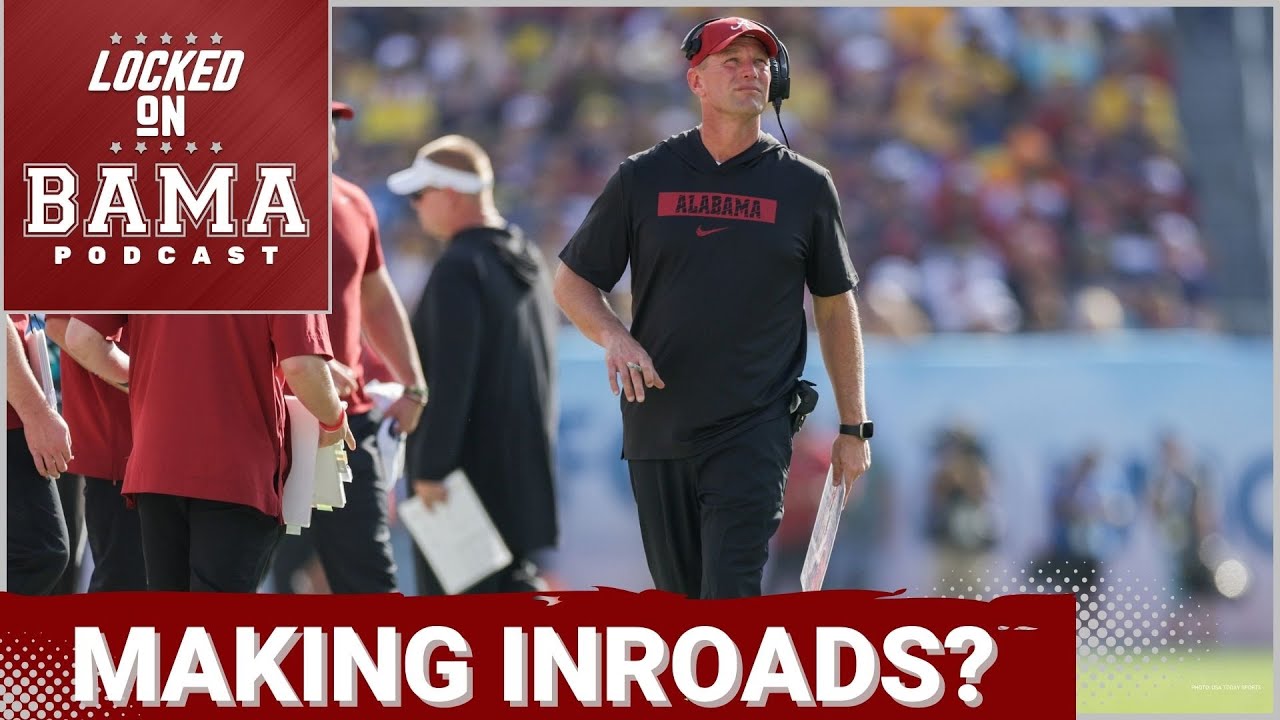
When Kalen DeBoer took over for the legendary Nick Saban at Alabama, skepticism was inevitable. With no prior ties to the SEC and a background rooted in the West Coast, many wondered whether DeBoer could maintain the Crimson Tide’s recruiting dominance. One year into his tenure, however, it’s clear that DeBoer has made significant strides, adapting quickly to the demands of one of college football’s most intense programs.
The expectation in Tuscaloosa remains the same: win, and win big. For Alabama fans, even a nine-win season under DeBoer would feel underwhelming. Understanding that pressure, DeBoer has focused heavily on building a staff capable of competing in the SEC recruiting wars. One of his early moves was assembling a team that blends familiarity with strategic regional expertise. Bringing in defensive coordinator Kane Wommack, who has deep connections throughout the Southeast, was a key step in that process.
“I knew balance would be important,” DeBoer explained during an appearance on Always College Football. “We brought in people I trust, but also coaches who know this region and can recruit it effectively.”
Recruiting in the Southeast means more than just understanding geography—it’s about building and maintaining relationships. DeBoer emphasized that he and his staff have taken their connections to “the next level” over the past year, investing time and resources into strengthening ties with high school coaches and prospects across the region. His message is clear: Alabama’s recruiting territory spans the entire South, and he intends to defend it fiercely.
 Beyond traditional recruiting, DeBoer has had to quickly embrace the evolving dynamics of college football. Name, Image, and Likeness (NIL) deals, along with the increasing influence of the transfer portal, have fundamentally changed how top programs build their rosters.
“It’s about identifying what we’re going to lose next year, who might leave early for the NFL, and where we can immediately improve,” DeBoer said. “You have to recruit every position, every year. And now, it’s not just about talent—it’s about who can make an early impact.”
June has become a crucial month in Alabama’s recruiting calendar. With the acceleration of the recruiting timeline, the Crimson Tide staff is preparing for a whirlwind of official visits. Unlike a few years ago, when summer visits were more limited, today’s landscape requires an “all hands on deck” approach throughout the month.
“Every weekend in June is stacked,” DeBoer noted. “It’s a level of preparation and coordination that’s far beyond what existed just a few years ago.”
Despite early doubts, DeBoer has shown he understands what it takes to lead a powerhouse like Alabama. His commitment to recruiting, strategic staffing decisions, and adaptability to the new era of college football have positioned the Crimson Tide well for the future. As Alabama looks ahead, it’s clear that DeBoer isn’t just maintaining the standard—he’s reshaping it for the next generation.
Leave a Reply